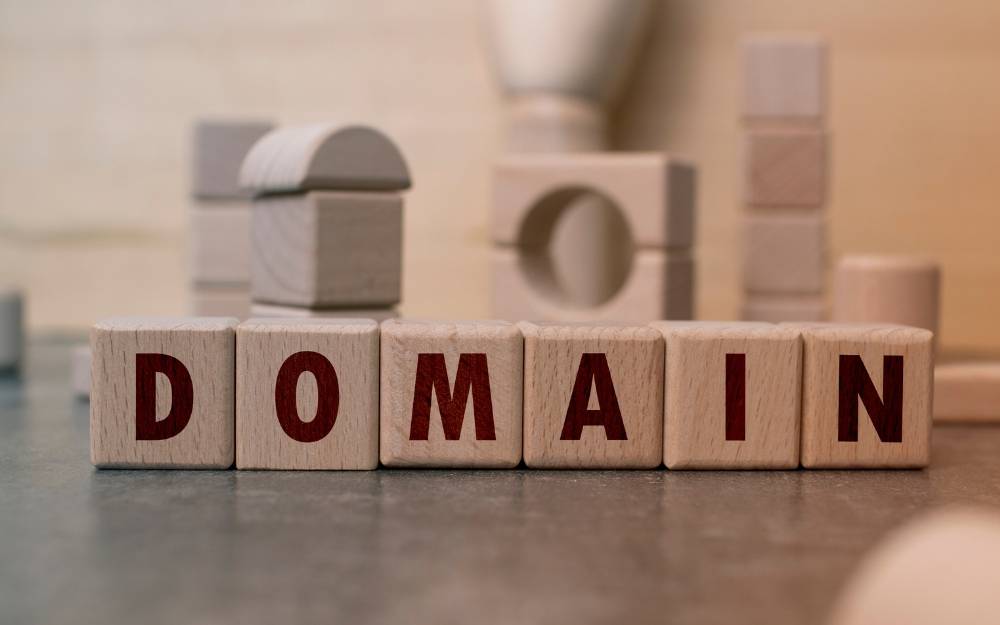
Starting a brand-new website is a bit like planting a sapling in a forest that is already full of ancient, towering oaks. You are small, you have no established root system, and the sun—in this case, Google—hardly notices you exist for the first several months. This period of invisibility is often referred to in the SEO world as the sandbox. It is a frustrating time where you publish high-quality content, follow all the best practices, and yet your rankings remain stagnant because your domain simply lacks the trust and authority required to compete.
This is precisely why more experienced digital marketers and business owners choose to buy aged domain names rather than registering something brand new. By acquiring a domain that has already spent years on the internet, you are essentially inheriting its history, its reputation, and most importantly, its backlink profile. Instead of waiting a year to see results, you can often start ranking for competitive terms in a fraction of the time. It is a strategic shortcut that bypasses the most tedious part of the growth cycle.
What makes an aged domain so valuable
The value of an aged domain is not just about the number of years since it was first registered. If a domain was registered in 2005 but never had any content or links, it is not much better than a new one. The real magic happens when a domain has been used for a legitimate project, earned mentions from reputable news outlets, and built a natural network of references across the web. When you buy aged domain assets, you are purchasing that accumulated trust.
Google’s algorithms are designed to prioritise sites that have proven themselves over time. A domain with a ten-year history of clean operation is far less likely to be viewed as a spam risk compared to a domain registered yesterday. This inherent trust allows your new content to be indexed faster and ranked higher, as the search engine already recognises the domain as a known entity in the digital landscape.
The power of a pre-existing backlink profile
Backlinks remain one of the most significant ranking factors in search engine optimisation. However, building them manually is an exhausting, expensive, and often soul-crushing process. When you buy an aged domain, you are often getting a head start that would otherwise cost thousands of pounds in outreach and PR. A high-quality aged domain might already have links from:
- Major news organisations and national newspapers
- Educational institutions and university websites (.edu or .ac.uk)
- Well-established industry blogs and niche authorities
- Governmental resources and official directories
- High-traffic social media platforms and forums
These links act as votes of confidence. If you were to try and build these from scratch on a new domain, it could take years of consistent effort. By repurposing an existing domain, those votes are already counted in your favour from day one.

How to tell if a domain is actually worth your money
Not every old domain is a goldmine. In fact, some can be outright toxic if they were previously used for spammy purposes or were part of a low-quality private blog network. Before you decide to buy aged domain names, you must perform rigorous due diligence to ensure you are not inheriting someone else’s digital baggage. You want a domain with a clean history and a natural growth curve.
The first step is usually checking the Wayback Machine to see what the site looked like in the past. If you see that the site suddenly changed from a local bakery to a foreign-language gambling site, that is a massive red flag. You want to see consistent, thematic relevance. If the domain was always about gardening and you plan to build a home improvement site, that is a perfect match. If the history is murky, the SEO benefits may be compromised by hidden penalties.
Essential metrics to analyse before purchasing
While third-party metrics like Domain Authority (DA) or Domain Rating (DR) are useful starting points, they should never be the only thing you look at. These numbers can be manipulated by black-hat techniques. Instead, look deeper into the following areas:
- Referring Domains: It is better to have 50 links from 50 different high-quality sites than 500 links from the same low-quality site.
- Anchor Text Diversity: The words used in the links pointing to the site should look natural. If 90% of the links use the same commercial keyword, the site has likely been over-optimised or penalised.
- Traffic History: Check if the site was actually receiving organic traffic in the past. A sudden drop to zero often indicates a manual action or a significant algorithmic penalty.
- IP Diversity: Ensure the backlinks come from a wide variety of hosting providers and geographic locations, rather than a single server block.
Strategic ways to use your aged domain
Once you have acquired a high-quality aged domain, you have a few different options for how to utilise it. The most common approach is to build a brand-new site directly on that domain. Because the authority is already there, you will find that your new articles start appearing on page two or three almost immediately, rather than being buried on page ten for months. This allows you to test content ideas and monetisation strategies much faster than usual.
Another popular strategy is the 301 redirect. This involves taking the aged domain and redirecting it to an existing site you already own. This effectively transfers the “link juice” and authority from the old domain to your current project. This can be incredibly effective for boosting the rankings of an established site, provided the two domains are topically relevant. If you redirect a site about car parts to a site about vegan recipes, Google may eventually discount the value of those links because they don’t make sense in context.
Avoiding the common pitfalls of the domain market
The market for aged domains can be a bit of a minefield for the uninitiated. One of the biggest mistakes people make is overpaying for a domain based on age alone. Age is a multiplier, not a foundation. If the backlink profile is weak, the age doesn’t matter. Similarly, you must be wary of domains that have been “dropped” or expired for too long. While some expired domains still hold their value, those that have been inactive for years may lose their authority as Google eventually de-indexes the old links.
It is also vital to check for any active manual penalties in Google Search Console if you can get access, though this is rarely possible before a purchase. Instead, you have to rely on external tools to see if the domain is still indexed. If you search for “site:domain.com” and nothing appears, proceed with extreme caution. It could mean the site has been completely removed from the index for violations of webmaster guidelines.
Success in this space requires a blend of patience and quick decision-making. The best domains are often snapped up within minutes of becoming available. By understanding what to look for and specialising in a particular niche, you can build a portfolio of powerful assets that give your web projects a massive competitive advantage from the very first day they go live.

Olivia Grant is a design writer passionate about user interface, iconography, and visual storytelling. She focuses on exploring innovative design trends and creating content that inspires creativity in digital design.